
Transportation schedule
The written scope for Arizona to California should separate passenger-car road time from pickup, handling and delivery commitments.

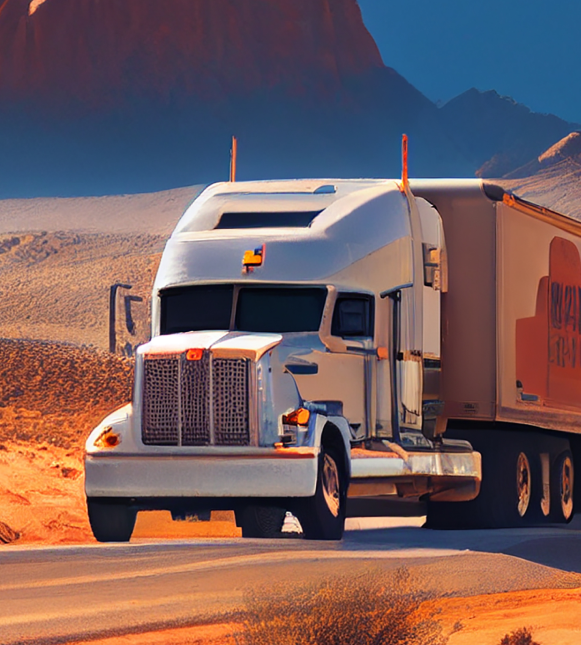
Desert origins and diverse California destinations create materially different distances, temperatures and access plans across the published child routes. Use the published route data as a baseline, then verify the exact addresses and written service terms.
These planning ranges summarize 175 published city pairs from Arizona to California. The current road-distance range is approximately 245–911 mi.
Best for a light inventory or partial apartment move
Common range for a small apartment with basic loading
Good benchmark for most Arizona to California apartment moves
*Please note: These estimates use the road-distance range of the published city pairs. Your exact pickup and delivery addresses may change the actual mileage and final quote.
Compare the scope and assumptions, not only the total. Each proposal should explain what the mover will do and which conditions can change the price or schedule.
The written scope for Arizona to California should separate passenger-car road time from pickup, handling and delivery commitments.
Use one complete inventory and list packing, furniture preparation, storage, valuation coverage and special handling.
Choose a published origin city close to the real pickup. End the comparison with a child route near the receiving location.
Reopen AZ 511 close to pickup for time-sensitive travel conditions. Consult Caltrans QuickMap for current destination-side travel conditions.
Choose a published origin city close to the real pickup.
Include gate codes, loading hours, elevator bookings and difficult furniture in the quote input.
End the comparison with a child route near the receiving location.
Match the mover identity, authority and written estimate before booking.
Desert origins and diverse California destinations create materially different distances, temperatures and access plans across the published child routes. Minimum, median and maximum values describe published child routes; they do not turn two entire states into one fixed distance.
Choose a published origin city close to the real pickup. Include gate codes, loading hours, elevator bookings and difficult furniture in the quote input.
End the comparison with a child route near the receiving location. Resolve elevator, stair and long-carry conditions at the destination in writing.
Reopen AZ 511 close to pickup for time-sensitive travel conditions. Consult Caltrans QuickMap for current destination-side travel conditions.
Mark only items you have actually confirmed. The result is a planning checklist, not a live permit, weather or carrier-status lookup.
Pickup and delivery create different operational questions. Resolve them separately instead of treating mileage as the whole move.
Choose a published origin city close to the real pickup.
Include gate codes, loading hours, elevator bookings and difficult furniture in the quote input.
Reopen AZ 511 close to pickup for time-sensitive travel conditions.
Give dispatch the truck dimensions and require a legal commercial approach.
End the comparison with a child route near the receiving location.
Resolve elevator, stair and long-carry conditions at the destination in writing.
Consult Caltrans QuickMap for current destination-side travel conditions.
Give dispatch one reachable contact for access and timing changes.
Desert origins and diverse California destinations create materially different distances, temperatures and access plans across the published child routes. Minimum, median and maximum values describe published child routes; they do not turn two entire states into one fixed distance.
Because Arizona to California crosses state lines, match the legal or DBA identity, relevant authority and insurance filing before relying on a sales claim.
Recheck permits, parking, weather, border and carrier records close to moving day.
Answers tied to the current route data and the Arizona to California Moving Guide evidence above.
Use one inventory and confirm the route, access and service assumptions with each mover.