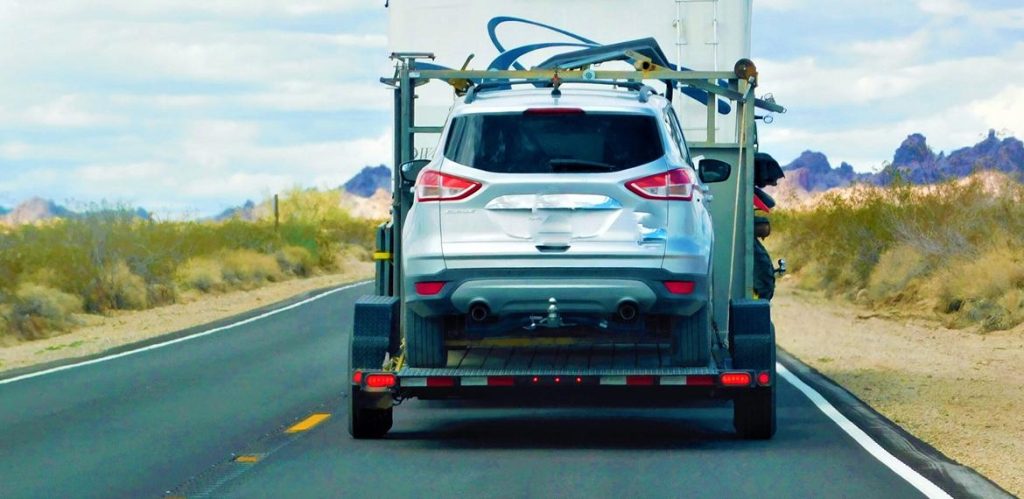
If your Boston move lands on or around September 1, you’re not moving on a normal day — you’re moving on the day. Locally it’s called “Allston Christmas,” and it’s the single busiest moving day in the city by a wide margin.
Why the whole city moves at once
Boston’s rental market runs on a near-universal September-to-August lease cycle, built around the academic calendar. With more than 150,000 college students across the metro area, landlords long ago standardized move-in to the day before fall classes — so leases overwhelmingly begin and end on the first. The result: roughly two-thirds to 70% of leases in the city turn over on September 1 (closer to 79% in student-heavy areas). (Wikipedia, Boston.com)
The nickname comes from Allston — the neighborhood where the curbside pile-up of discarded furniture is most extreme — but the same scene plays out in Brighton, Fenway, Mission Hill, and across Cambridge and Somerville.
What this means for your move
1. Book early — movers sell out. When most of a city moves on one date, moving companies get booked solid weeks ahead. If your move is anywhere near September 1, reserve as early as you can, whether you’re moving across town or comparing Boston to New York movers for a longer haul.
2. Get your parking permit. Boston requires a moving truck permit to legally reserve curb space for the truck, and moving without one risks a $300+ ticket. Because online permit applications need your move date to be at least 10 days out, September-1 permits should be handled in mid-August. (Full walkthrough in our companion guide: Boston Moving Truck Permit — How to Apply.)
3. Know the low bridges before you drive. Rental trucks are banned from Storrow Drive, Soldiers Field Road, and Memorial Drive — the clearances are as low as 9–10 feet and trucks get wedged under the overpasses every single year. Getting “Storrowed” on Moving Day itself is exactly the kind of afternoon this article exists to prevent. (See: Storrow Drive and Getting “Storrowed”.)
Moving out of Boston around September 1
Leaving the city that week has one advantage: you’re moving against some of the local churn. Long-distance moves still need early booking, though — the trucks and crews are the same ones everyone else wants. If a cross-country move is on the table, it’s worth lining up quotes early for routes like Boston to Chicago movers, Boston to Washington movers, or Boston to Los Angeles movers.
The short version
- ~2/3–70% of Boston leases flip on September 1 — plan around the crowd, not around a normal Tuesday.
- Book movers weeks ahead; the whole city is competing for the same trucks.
- File your truck permit ≥10 days out (online).
- Never route a rental truck onto Storrow, Soldiers Field, or Memorial.
Ready to plan? Start by comparing movers serving Boston and get quotes before the September rush.
Sources: Moving Day (Boston) — Wikipedia · Boston.com · Marketplace